
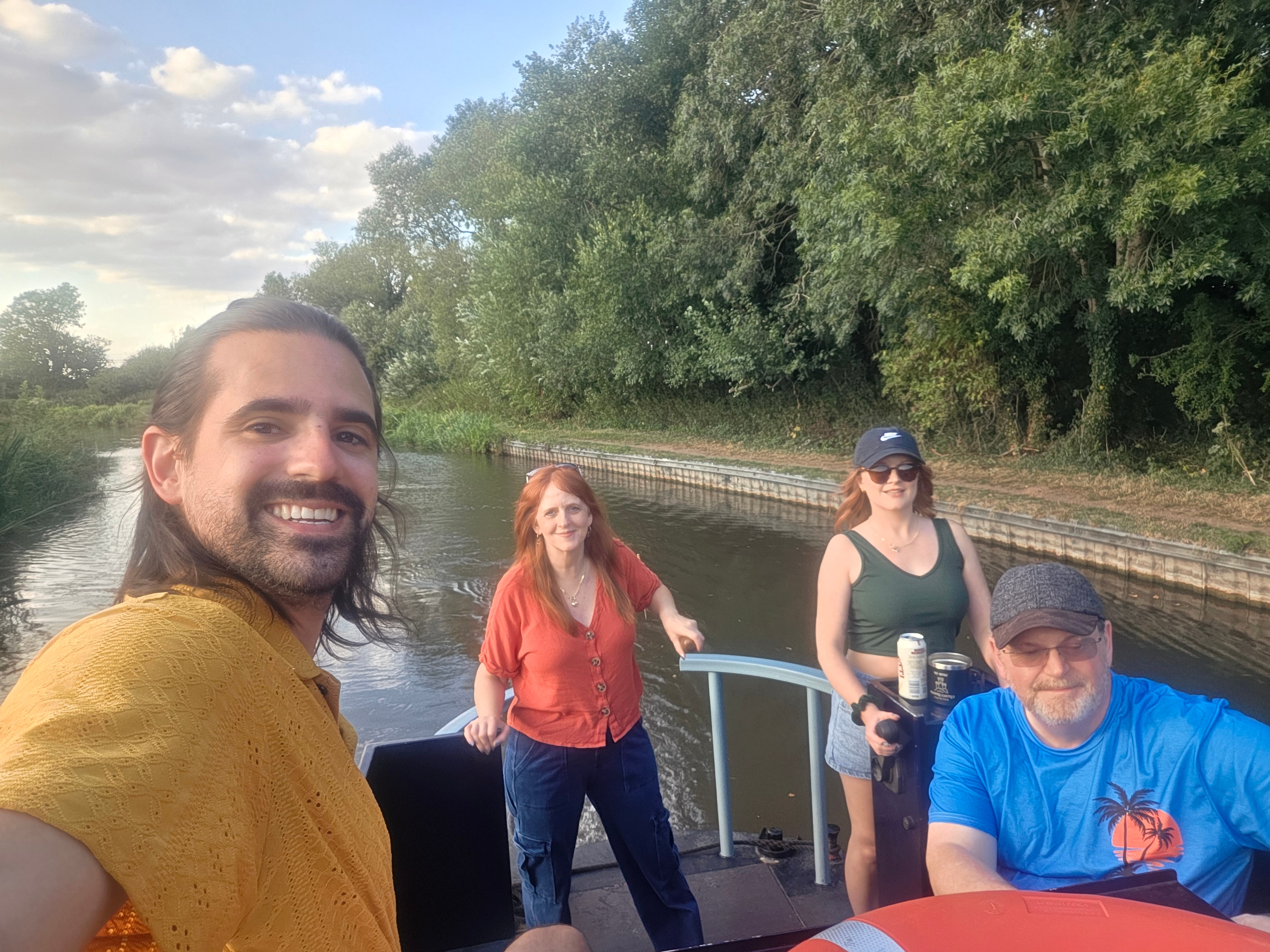
So you want to try canal boating
No licence, no experience, no problem. Here's everything you need to know before you step aboard.
It's easier than you think
Canal boating in Britain is one of those rare holidays where the slower you go, the better it gets. You don't need a licence to hire a narrowboat — the hire company gives you a full briefing before you leave the dock, and most people are confidently cruising within an hour.
The canals are shallow, narrow, and almost entirely lock-free for long stretches. Top speed is 4mph — roughly walking pace. That's not a limitation; it's the whole point.
How it works
Choose your waterway
Pick a canal that matches your pace and interests. The Llangollen in Wales is dramatic and scenic. The Grand Union is classic England. The Caledonian in Scotland is wild and remote. Check our Waterways guide for details on each.
Pick a hire company
Book directly with a hire base on the waterway you want to explore. Most offer boats for 2–12 people, from budget to boutique. We've listed some trusted companies below.
Get your handover briefing
On arrival day, the hire company walks you through everything — steering, locks, mooring, the engine, and the toilet (yes, that too). It takes about an hour and covers everything you need.
Cast off and go slowly
That's genuinely it. Head out at 4mph, stop wherever looks good, moor up for the night, and repeat. There's no itinerary you have to keep. The canal doesn't care.
Narrowboat hire companies
A selection of well-regarded hire bases across England, Wales, and Scotland. Most offer online booking and welcome first-timers.
Anglo Welsh Waterway Holidays
One of the UK's largest hire fleets with bases across the Grand Union, Oxford, Llangollen, and more. Great for first-timers with thorough handover briefings.
Multiple bases — good for one-way trips
Black Prince Holidays
Family-run company with bases on the Grand Union, Avon Ring, and Four Counties Ring. Known for well-maintained boats and friendly service.
Great for ring routes
Alvechurch Boat Centres
Award-winning hire company with bases in the Midlands — ideal for exploring the heart of the English canal network. Wide range of boat sizes.
Midlands hub — access to many routes
Canalboat Holidays
Specialists in the Oxford Canal and surrounding waterways. Smaller, personal operation with a loyal following among repeat visitors.
Oxford Canal specialists
Llangollen Motor Yacht Club
Based right on the Llangollen Canal, offering access to the famous Pontcysyllte Aqueduct. Perfect for a Welsh waterways adventure.
Gateway to Pontcysyllte Aqueduct
Caledonian Canal Hire
Hire boats on the Caledonian Canal through the Great Glen, from Fort William to Inverness. Spectacular Highland scenery and Loch Ness.
Scotland's Great Glen route
A few things Americans always ask
Do I need a boating licence?
No. Hire boats come with a licence included. You just need to be over 18 (sometimes 21) to be the lead hirer.
How do locks work?
Locks are how the canal goes uphill and downhill. You open the gates, drive in, fill or empty the chamber, and drive out. The hire company teaches you everything. It takes about 15 minutes per lock once you've got the hang of it.
Where do you sleep?
On the boat. Hire boats have proper beds, a kitchen (galley), a bathroom, and heating. You moor up wherever you like each evening — alongside the towpath, at a marina, or in a village.
How far can you go in a week?
Realistically 50–80 miles, depending on how many locks are on your route and how leisurely you want to be. Most people find they slow down after day two and stop trying to cover distance.
What's the best time of year?
May, June, and September are ideal — long days, manageable crowds, and the countryside at its best. July and August are busier and more expensive. Spring and autumn have a quieter, more atmospheric feel.
Can I bring my dog?
Almost always yes — most hire companies welcome dogs, sometimes for a small extra fee. The towpath is perfect for walks, and canal dogs are a whole culture unto themselves.
Ready to explore the waterways?
Browse our guides to the best canals in England, Wales, and Scotland — with route details, highlights, and an honest American take on each one.
Explore the waterwaysHelp a fellow American plan their canal holiday: